
"raw coffee compounds"
700 article(s) found

Do you know what substances are in coffee? what's the effect of protein content in coffee?
Professional coffee knowledge exchange more information about coffee beans Please pay attention to the coffee workshop (Wechat official account cafe_style) the chemical composition of coffee beans is very complex, of which carbohydrates account for the most. Coffee beans contain a variety of carbohydrates, accounting for 60% of the total weight of raw coffee beans, as well as some protein, fat, tannin, caffeine, minerals and others.

Where can I find decaffeinated coffee? how is decaffeinated coffee made? how much is a cup of decaf?
Professional coffee knowledge exchange more coffee bean information please follow the coffee workshop (Wechat official account cafe_style) the so-called decaf coffee is only a small amount of caffeine coffee. The caffeine content in brewed coffee should not exceed 0.3%. In other words, the caffeine in a cup of decaf should not exceed 5mg (usually a cup of 236mI coffee contains caffeine from 50mg to 200mg.

Why does the coffee have to be roasted? The coffee roasting process. The aroma produced by roasting coffee.
More information on coffee beans Please follow Coffee Workshop (Wechat official account cafe_style) Coffee raw beans are chemical-filled warehouses where nutritionist Jonny Bowden lists coffee as one of the 150 healthiest ingredients on the planet and the No. 1 source of antioxidant food in the American diet. Of all the ingredients and drinks, coffee is the most
The basic knowledge of coffee the taste and taste of coffee
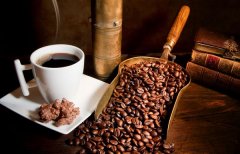
The sensory evaluation of coffee flavor is divided into three stages: smell, taste and taste. The sense of smell of coffee refers to the sensation of olfactory organs. People smell the smell because the receptors at the nasal septum are stimulated by volatile chemicals, usually containing hydrogen, carbon, nitrogen, oxygen or sulfur. When these chemicals are forced in the form of gases

How does coffee flavor come from? why coffee beans have a variety of flavor reasons and characteristics
When we drink coffee, we always say that this cup of coffee has a good taste of citrus juice and that cup of coffee has a rich flavor of chocolate cream. I wonder if when you are tasting coffee, have you ever thought about how the flavor we drink comes from? Now the hand-brewed coffee we drink will emphasize the origin of this coffee, just as before.

What is the "plum reaction" in baking?
Baking can win raw beans to release their fragrance in the painting. In the process of training. The physical and chemical reactions produced by the ripening of raw beans, especially the plum reaction and caramelization reaction in the browning process have a great impact on the flavor. During the baking process, when the hardness of raw beans exceeds I20C, the carbohydrates and acids in them will react and crack to produce Melanoidine, which makes the color of raw beans.
The difference between the flavor characteristics of sun-cured coffee and water-washed coffee which is more sour by sun-washing?
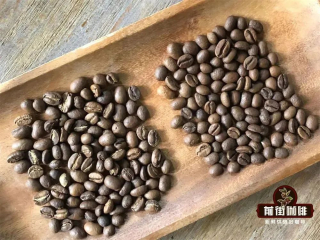
Usually when we buy coffee beans, if we want to be sweeter, we will prefer sun-treated coffee to washing. Is tanned coffee really sweeter than washed coffee? Where does sweetness come from? Qianjie's previous articles have explained that the "sweetness" in our coffee mainly comes from carbohydrates in raw beans.

How do you produce the strange smell of coffee? How can I make coffee powder without tools?
How do you produce the strange smell of coffee? How can I make coffee powder without tools? In the process of brewing coffee, we all look forward to the moving moments full of fragrance: the wonderful and complex aromas of caramel, flowers, berries, nuts, honey and tea are absolutely the most fascinating thing about coffee. Coffee raw beans can detect more than 300 compounds, and coffee cooked beans are more than 850, complex.

How to choose coffee beans with low acidity? which coffee beans have lower acidity?
Without acidity, the taste of coffee will become dull and tasteless. Acidity is an ideal major coffee flavor sensation, which is considered to be the pleasant sharpness of the front of the mouth, the numbness of the tip of the tongue or the dryness of the back of the upper jaw and / or below the edge of the tongue; indicates the quality of the coffee. Good acidity tends to be sweet, crisp and sour to enhance other qualities of coffee. Coffee famous for its pleasant acidity
[advanced knowledge of coffee roasting] basic theory and training contents of professional coffee roasters
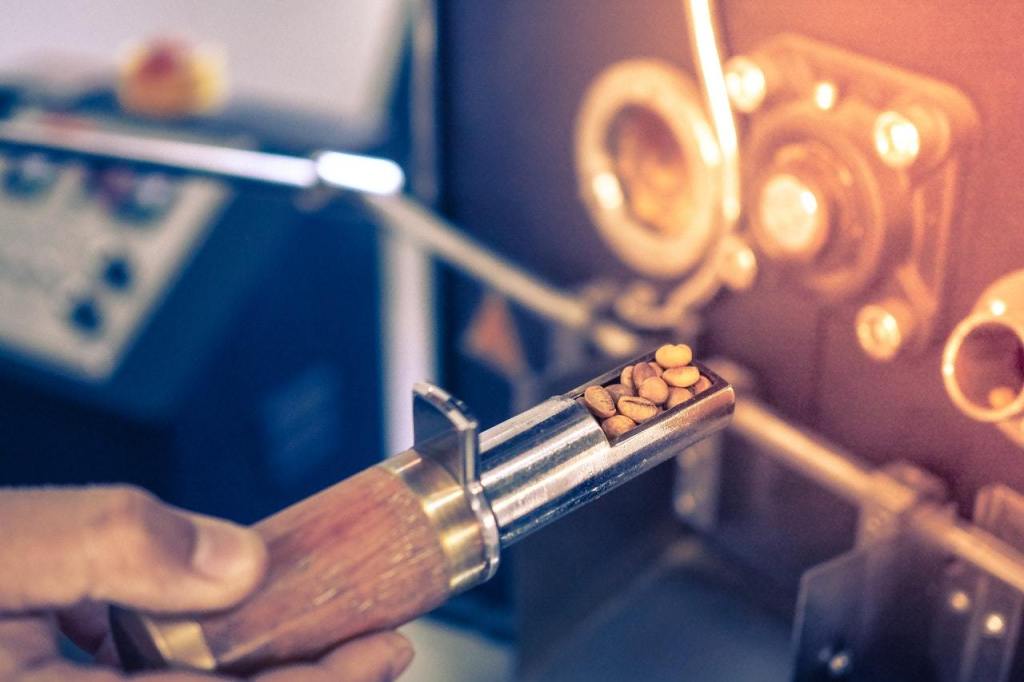
Professional coffee knowledge exchange more coffee bean information please follow the coffee workshop (Wechat official account cafe_style) [basic knowledge and training of coffee roasters] 1. Law of moisture content and flavor of coffee II. Coffee bean defect category selection 3. Analysis of characteristics of Bean baking Appliances Application of 4.ROR 5. Baked bean curve identification 6. Physical changes and chemical reactions caused by temperature layer and time 7. Caramelization and

Roasting process, baking degree and roasting curve general knowledge of coffee roasting
The following text is extracted from the book falling in love with barista by Qi Ming, a teacher from Pulan Coffee College, which was printed by Jiangsu Science and Technology Publishing House for the third time in March 2015. Reprint must indicate the author and the source. One can't make bricks without straw. If the quality of raw coffee beans is not good, no matter how skilled the roaster is, everything is still out of reach. For those coffee of poor quality
Roasting process, baking degree and roasting curve general knowledge of coffee roasting
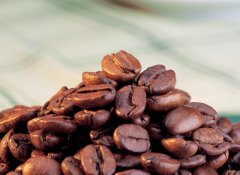
The following text is extracted from the book falling in love with barista by Qi Ming, a teacher from Pulan Coffee College, which was printed by Jiangsu Science and Technology Publishing House for the third time in March 2015. Reprint must indicate the author and the source. One can't make bricks without straw. If the quality of raw coffee beans is not good, no matter how skilled the roaster is, everything is still out of reach. For those coffee of poor quality
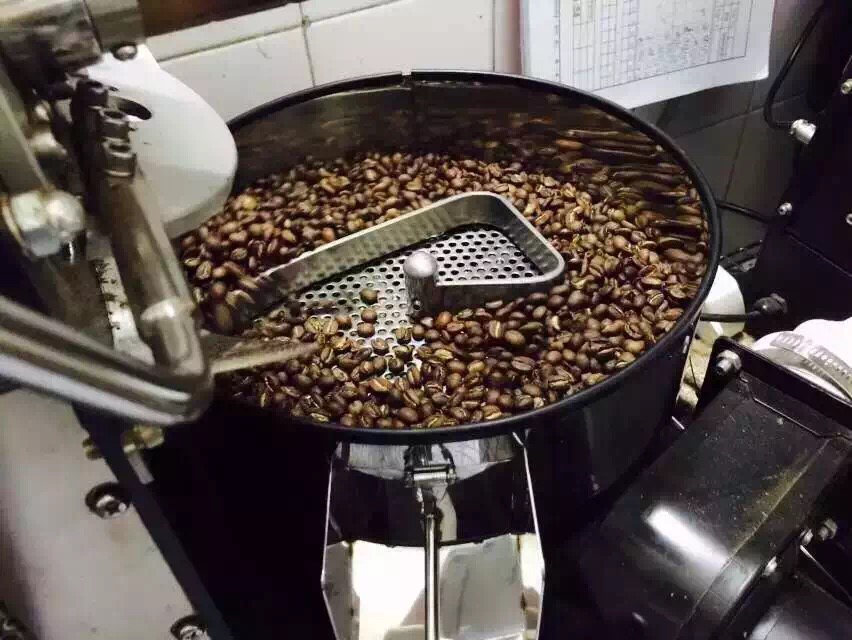
Coffee beans roasting detailed analysis-a good coffee must-see knowledge
Coffee roasting is a process of pyrolysis, which completely changes the substances inside the green beans, producing new compounds and recombining them to form aroma and alcohol. This effect occurs only at high temperatures, and if only low temperatures are used, decomposition cannot occur. In fact, roasting is the most difficult step in coffee processing.

The aroma of coffee is how it comes out. The rich aroma of coffee beans is technically fried.
Professional coffee knowledge exchange More coffee bean information Please pay attention to coffee workshop (Weixin Official Accounts cafe_style) Qianjie-coffee bean aroma source introduction Acid and sugar determine coffee flavor Acid affects coffee quality and complexity Coffee beans naturally contain some acids such as citric acid and malic acid and some acetic acid (which is decomposed or reacted by sugars and other compounds)

Coffee beans need to be roasted.
Coffee beans are the seeds of coffee cherries that grow on coffee trees. Normally, there are two coffee beans in each coffee cherry. When the untreated raw coffee beans are directly soaked in hot water, there is almost no coffee flavor and aroma. Coffee beans undergo numerous chemical changes in the roasting process and break down thousands of compounds. The coffee baker wants to be baked

Coffee roasting specific analysis of coffee roasting techniques and degree of selection of French coffee roasting
Coffee roasting is a process of high temperature decomposition (Pyrolysis), which completely changes the substance inside the raw bean, produces new compounds, and recombines to form aroma and mellow flavor. This effect only occurs at high temperatures, and decomposition cannot be caused if only low temperatures are used. In fact, in the coffee processing process, roasting is the most rare step, it is a kind of family
Coffee flavor smell training olfactory test is to test the ability to distinguish the aroma of coffee
Professional coffee knowledge exchange more coffee bean information please follow the coffee workshop (Wechat official account cafe_style) smell test is a test of the ability to identify the aroma of coffee, coffee nose (Le Nez du Cafe) as a test tool to identify coffee-related odors. In fact, the testing process is to identify and identify different aromas. If you understand before the test
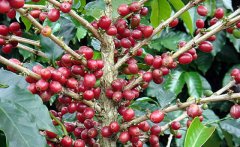
Coffee flavor description coffee flavor wheel
In daily life, the word flavor is more often used in taste and taste, that is, the English word flavor. The so-called taste is essentially a sensory organ, specifically the trigeminal nerve on the tongue, mouth and throat, which responds to the stimulation of compounds. Separately speaking, there are six basic flavors, sweet, sour, bitter, salty and fresh. It doesn't spread out here. But the taste is a kind of gestalt, which is basic.
The reason why Arabica coffee beans taste better than robusta coffee
Professional coffee knowledge exchange more coffee bean information please follow the coffee workshop (Wechat official account cafe_style) Manning's Robsta blood, Arabica beans or Katim or Katim? In addition to caffeine, the charming aroma of coffee is the main reason why many coffee fans miss coffee from time to time. But why on earth does the coffee smell so good? The most important thing, of course, is coffee.

The acidity of coffee introduces what kind of coffee Parisians like to drink.
(1) acidy) the primary taste associated with sweet compounds in coffee. The combination of acid and sugar in the coffee increases the sweetness of the coffee as a whole. Washed Arabica coffee growing above 4000 feet, such as Columbia Premium Coffee, has this characteristic. Sour coffee tastes from spicy (nippy) to spicy (piquant), felt by the tip of the tongue. (2) suffering